
Style is Easy. Story is scarce.
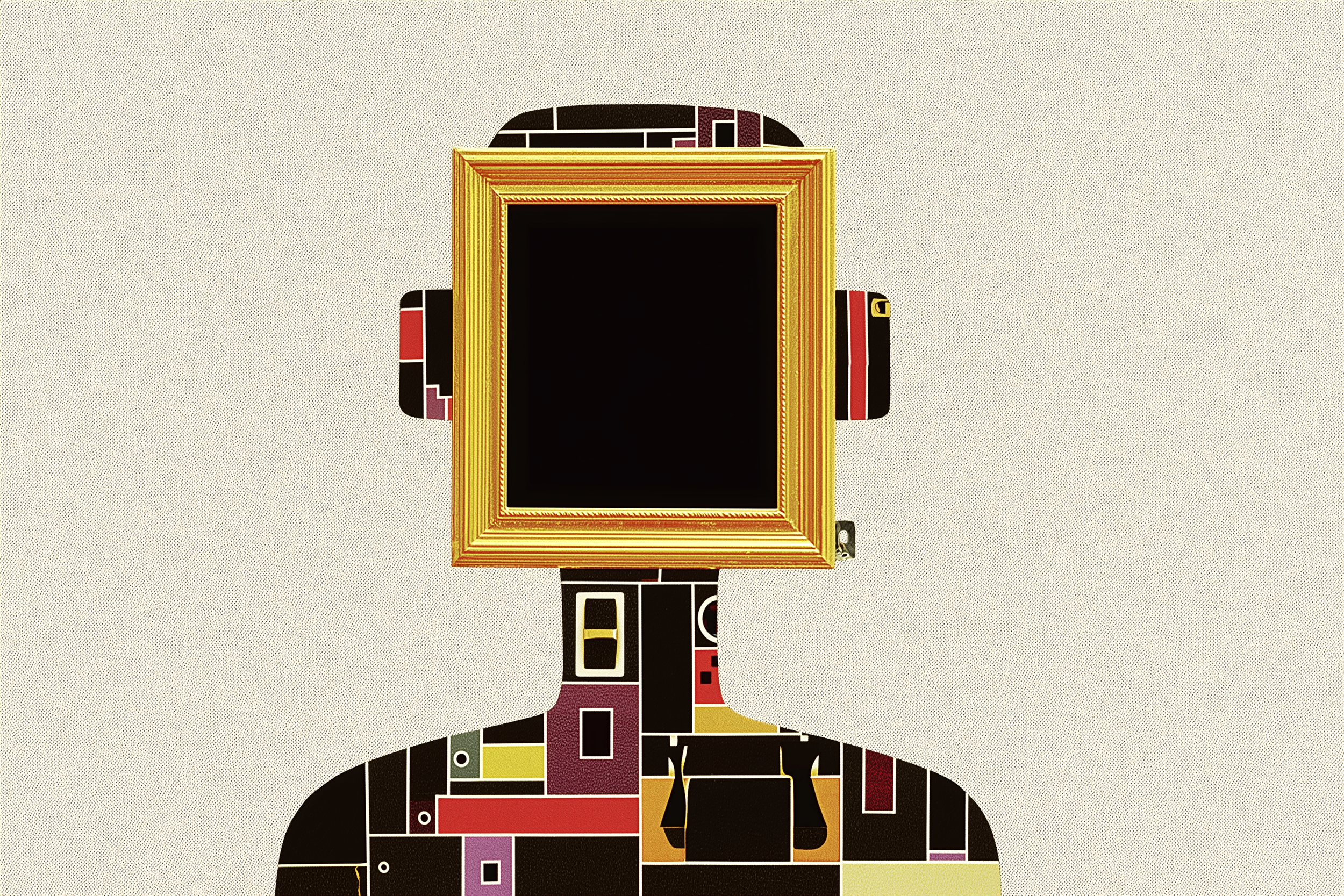
A polished image can arrive before the idea behind it is ready.
AI image tools can give us an impressive starting point from a prompt. Getting the result we actually want still takes work: even OpenAI’s March 2025 image-generation launch notes acknowledged limits in editing precision. OpenAI’s launch notes
What interests me is the gap between a surface that looks finished and an idea that has something to say.
Meaning. Context. Feeling.
A beautiful image can still leave me cold. No friction, no point of view, nothing to stay with. Like a postcard from a dream I didn’t have. The polish is there. The reason to care is harder to find.
That’s the tension I see in AI-assisted creative work: the ability to produce an attractive image can run ahead of the ability to say something with it.
Style matters. Framing, color, texture, and timing are part of how a story reaches us. The question is what those choices are doing. Where does the eye go? What’s being held back? Why this image, at this moment?
Story doesn’t have to mean a screenplay. A single image can suggest a relationship, a conflict, a life outside the frame. It can make us curious about what happened just before or what might happen next. Those are choices worth making deliberately.
So here’s the creative challenge: when polish comes more readily, spend more attention on what deserves it.
Just as we practice visual taste, we need to practice storytelling. Choosing a point of view. Finding the detail that carries the feeling. Knowing when to cut something beautiful because it gives the audience nothing.
Experimenting with a look can be quick. Developing a coherent style still takes care. Story has its own costs: attention, experience, honesty, and a willingness to decide what matters.
I expect AI tools to help with structure, production, and pacing. That makes the judgment around them more important to me: what’s worth keeping, what needs another pass, and what am I asking someone to feel?
That’s where I think the creative edge is: emotional and narrative intelligence, working alongside visual craft. An ability to recognize a moment worth developing, and the patience to shape it.
The AI can give you the stage, the camera, the lights. It’s still on you to say something worth watching.